

Hurricane Season Safety: Landscaping and Tree Maintenance Tips for Homeowners
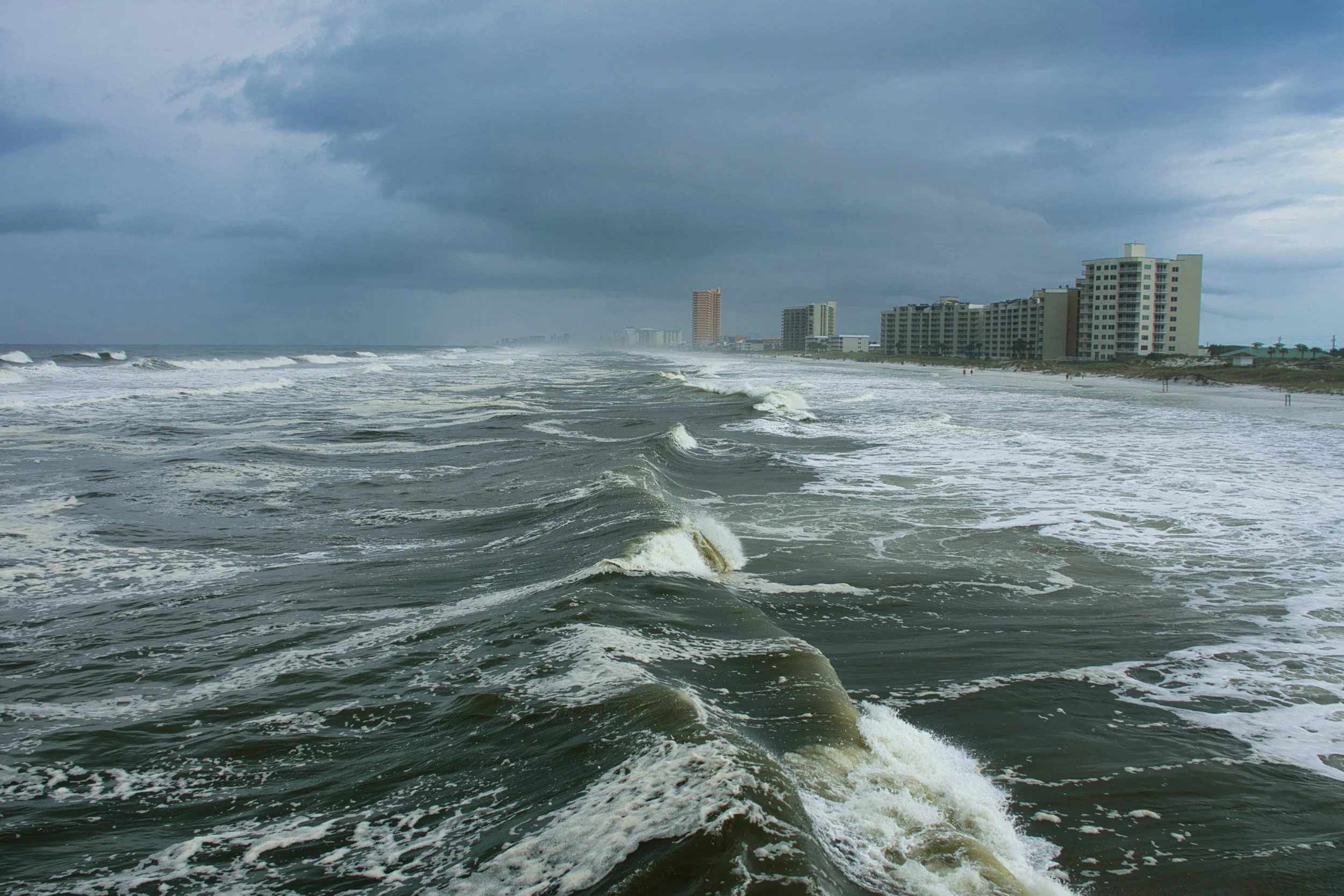
When hurricane season arrives, homeowners often focus on securing windows, roofs, and outdoor furniture—but trees and landscaping can pose just as great a risk. High winds can turn weak branches into projectiles and topple unstable trees, causing severe property damage. Proactive tree care before a storm hits can make all the difference in keeping your home and family safe.
Assess and Prune Trees Before Storms
Regular inspection is a homeowner’s first line of defense. Mature trees should be evaluated at least once a year, ideally before hurricane season. Look for signs of decay, cracks, or hollow areas in trunks and major limbs. Any dead or weakened branches can easily snap under pressure and should be removed.
Professional tree trimming and pruning services are worth the investment here. Certified arborists know how to thin the canopy strategically so wind passes through trees rather than pushing against them. They’ll also identify branches that hang too close to your home or power lines—a critical safety concern during storms.
Remove Hazardous or Unstable Trees
If a tree leans significantly, has shallow roots, or shows signs of internal rot, it may not withstand hurricane-force winds. Homeowners should consult a licensed tree removal service to safely handle these risks. It might feel hard to lose a mature tree, but it’s far better than facing the aftermath of one crashing onto your home or driveway.
Tree professionals use specialized equipment to remove large trees safely and dispose of debris properly. This also prevents partial removals or improper cutting, which can make remaining trees even more unstable.
Secure Debris and Loose Landscaping Items
Yard items—potted plants, decorative stones, garden tools—can become dangerous flying debris in strong winds. Before a storm, store loose objects in a shed or garage. Even small branches or trimmed limbs left on the ground should be collected and disposed of; they often cause the most unexpected damage.
Mulch and ground cover can also play a role in storm safety. Consider heavier mulch materials like shredded bark rather than lightweight wood chips that could blow away.
Protect Root Systems and Tree Health Year-Round
Healthy trees are more resilient. Keep trees properly watered and fertilized, and avoid compacting soil around roots by parking heavy vehicles or equipment nearby. Damaged roots weaken a tree’s anchoring and can lead to uprooting during storms.
Avoid topping trees—a common but harmful practice where the upper canopy is cut off to reduce height. This drastically weakens their structure and makes regrowth uneven, increasing the risk of future storm failures. Certified arborists can offer safer shaping alternatives.
Work with Professional Tree Services
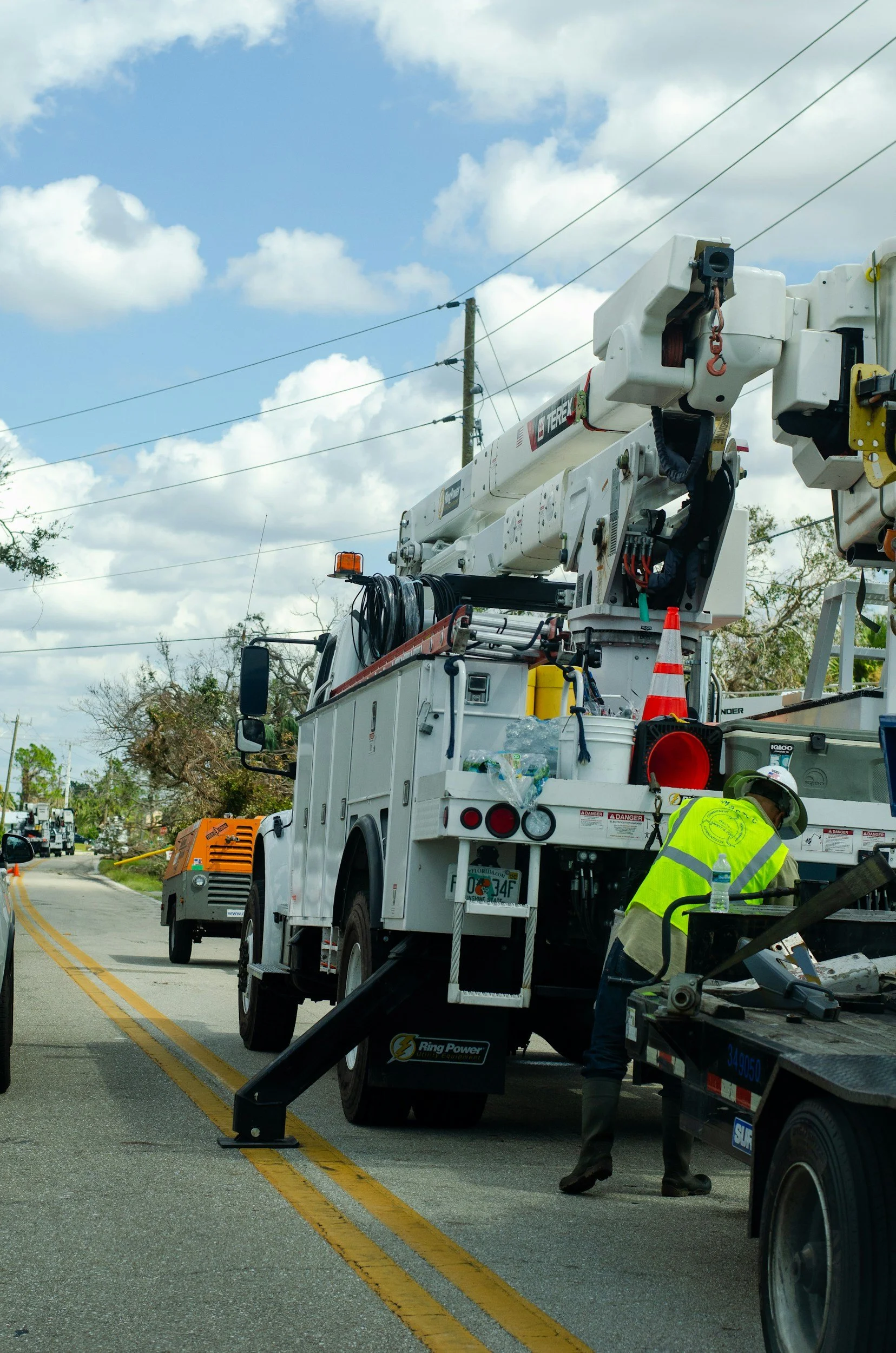
DIY trimming can be dangerous, especially for large trees or work near power lines. Local tree service companies have the expertise, licensing, and insurance to manage these jobs safely. Hiring professionals also ensures compliance with local storm-preparation guidelines and helps reduce liability risks.
When selecting a service:
Check for certification through groups like the International Society of Arboriculture (ISA).
Verify insurance coverage to protect both you and the workers.
Ask for a detailed estimate of recommended maintenance before hurricane season begins.
Final Thoughts
Hurricane preparedness isn’t just about boarding up windows—it’s about managing the living landscape around your home. With routine inspections, professional pruning, and responsible removal of hazardous trees, you can greatly reduce the chances of property damage and improve your family’s safety.
A strong, well-maintained yard is your hidden safeguard when hurricanes strike. Investing in quality tree care today helps ensure you’ll still have shade, beauty, and peace of mind once the skies clear.